
Plantar fasciitis is one of the most common causes of heel pain, especially among adults who spend long hours on their feet or enjoy an active lifestyle. The discomfort can be sharp, persistent, and disruptive to everyday routines. Many people look for practical, supportive ways to reduce tension in the foot and arch—one of the most frequently explored options is foot massage for plantar fasciitis.
Massage is not a cure for plantar fasciitis, but for many individuals it plays a valuable role in easing muscle tightness, encouraging circulation, and improving day-to-day comfort. This guide explains how foot massage may help relieve heel pain, what techniques are commonly used, what to expect in a professional session, and how local studios—such as East Asia Massage in Prescott Valley—approach foot and heel discomfort.
What Is Plantar Fasciitis?
Plantar fasciitis affects the band of tissue running along the bottom of the foot—the plantar fascia. This thick, fibrous structure supports the arch and absorbs shock when walking or running. When this tissue becomes irritated or over-stressed, heel and arch pain can follow.
Understanding the Plantar Fascia
The plantar fascia connects the heel bone to the toes. It helps maintain proper foot mechanics and supports the arch during movement. When this tissue experiences repetitive stress, tiny microtears may occur, creating tenderness or stiffness.
Why Plantar Fasciitis Happens
Several factors contribute to plantar fascia irritation, including:
- Overuse from long walking or running distances
- Standing all day on hard surfaces
- Poor footwear that lacks arch support
- Athletes and runners experiencing repetitive impact
- Aging or weight gain, which increases pressure on the heel and arch
These factors don’t affect everyone equally, but they commonly appear in people dealing with heel discomfort.
Common Symptoms
- Sharp heel pain during first steps in the morning
- Pain that increases after standing or walking
- Tightness in the arch or across the bottom of the foot
Massage therapists often hear similar descriptions from clients seeking foot pain relief, particularly those looking for a noninvasive, supportive approach.
Why Foot Massage Is Effective for Plantar Fasciitis
Massage cannot resolve the underlying cause of plantar fasciitis, but it can support comfort and mobility by focusing on soft tissue tension, circulation, and overall foot mechanics. For many people, it becomes part of a broader heel pain management plan.
Loosens Tight Fascia and Muscles
Massage helps soften and mobilize the tissue on the bottom of the foot, offering relief from tension that contributes to arch pain or heel discomfort.
Improves Blood Flow
Increased circulation supports tissue flexibility and helps the foot tolerate daily movement with less stiffness.
Reduces Heel and Arch Pain
By addressing tight areas, massage can reduce mechanical strain on the plantar fascia. Many clients report that targeted work brings noticeable relief after sessions—or at least makes walking more comfortable.
Relaxes the Calf Muscles
The calf plays a major role in heel pain. When the calf or Achilles tendon is tight, it increases tension along the plantar fascia. Many therapists integrate calf work for this reason.
Supports Better Foot Function
Regular massage can contribute to improved mobility in the foot, ankle, and arch, helping the plantar fascia move more freely during walking or running.
Foot Massage Techniques That Help With Plantar Fasciitis
Massage therapy for plantar fasciitis varies by practitioner, but certain techniques frequently appear in effective sessions.
Arch Kneading
Firm, controlled pressure is applied across the arch to reduce tightness. This technique helps release the muscles that support foot structure.
Heel Compression
The therapist applies slow, steady pressure to the heel area where the fascia connects. This can ease tenderness and improve flexibility around the insertion point.
Stretching Techniques
Gentle stretching of the toes, arch, and plantar fascia can improve mobility. Some stretches are similar to those recommended by physical therapists for home care.
Calf and Achilles Massage
Addressing the entire lower leg helps reduce the downward pull on the plantar fascia. Many clients feel significant relief after targeted calf work.
Hot Stone or Warm Compress Add-Ons
Heat softens tight tissue, making it easier for the therapist to work through stiff areas. Warm compresses can help prepare the foot before deeper massage techniques.
For readers who want to explore these techniques in more depth, East Asia Massage provides additional insights on their Foot Massage Techniques article here:
https://prescottvalleymassage.com/blog/foot-massage-prescott-valley-benefits-techniques/
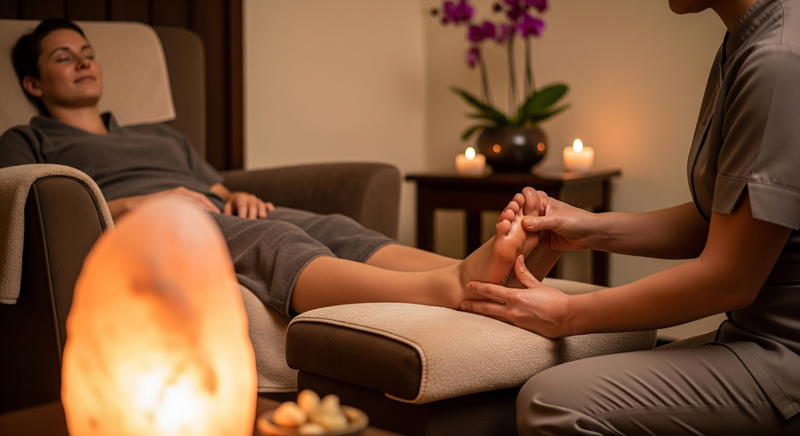
What to Expect During a Plantar Fasciitis Foot Massage
Understanding what happens during a session helps clients feel comfortable and confident in their treatment plan.
Consultation on Pain Areas
A therapist typically begins by asking about pain patterns—where discomfort appears, what time of day it’s strongest, and which activities make it worse. This ensures the massage is tailored to individual needs.
Targeted Heel & Arch Work
The session often focuses on the bottom of the foot, using controlled pressure to ease tension in the fascia. Clients may feel mild sensitivity in tender areas, but communication helps set the right pressure level.
Calf Muscle Release
Calf muscles and the Achilles tendon directly influence heel tension. Many plantar fasciitis sessions include dedicated work on the lower leg to reduce stress on the foot.
Gradual Relief
Plantar fasciitis typically improves gradually, which means multiple sessions are often more effective than a single visit. Each session builds on the progress of the last.
How Often Should You Get a Foot Massage for Heel Pain?
There is no one-size-fits-all schedule, but general guidelines include:
- Mild heel pain: Every 1–2 weeks
- Moderate, recurring pain: Once per week for several weeks
- Chronic tension or high activity levels: Weekly, then biweekly for maintenance
Consistency often helps because plantar fasciitis is influenced by daily habits—footwear, work conditions, mobility, and physical activity. Therapists can adjust frequency based on how your foot responds over time.
A regular massage routine may also complement stretching, strengthening, and supportive footwear, which are commonly recommended for plantar fascia health.
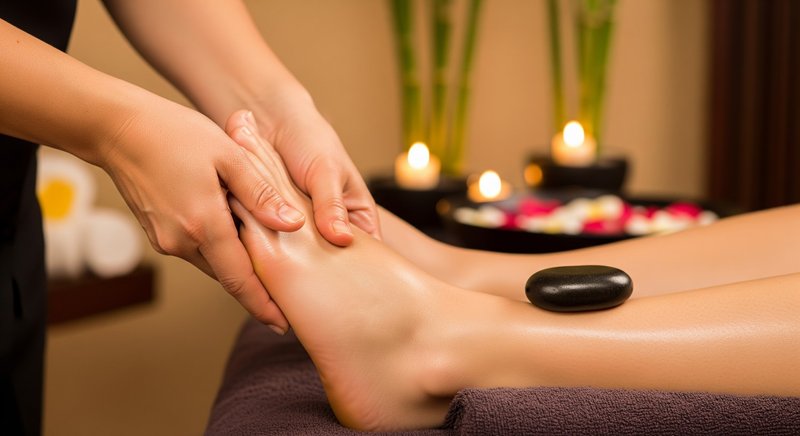
Foot Massage for Heel Pain at East Asia Massage in Prescott Valley
East Asia Massage is one of the local studios offering targeted foot and heel massages for individuals dealing with plantar fasciitis or general foot discomfort. Their therapists incorporate several of the techniques described above, tailoring each session to the client’s pain patterns and pressure preferences.
What Clients Can Expect
- Thoughtful consultation about heel or arch tension
- Clean, calming environment designed for relaxation
- Therapists accustomed to working with plantar fascia sensitivity
- Frame-by-frame progression—from gentle warmups to focused heel and arch work
- Optional add-ons such as heat therapy to support deeper release
Convenient Prescott Valley Location
East Asia Massage is located near Prescott Valley’s main corridors, making it accessible for residents commuting through the SR-69 area or nearby neighborhoods.
A Supportive Step Toward More Comfortable Movement
Plantar fasciitis can be frustrating, especially when heel pain interrupts sleep, morning routines, or long days on your feet. While massage is not a medical treatment, many people find that targeted foot and calf work makes daily movement more manageable and supports long-term comfort.
Exploring massage therapy for heel pain gives clients a way to reconnect with their body, support recovery habits, and ease tension that builds over time. Whether you’re dealing with occasional arch discomfort or ongoing plantar fascia tightness, professional foot massage may offer helpful relief.
For those in the area, East Asia Massage in Prescott Valley provides a thoughtful, client-centered environment where individuals can explore these techniques safely and comfortably.